The 'I Woke Up Like This' Lie Is Costing You More Than You Think
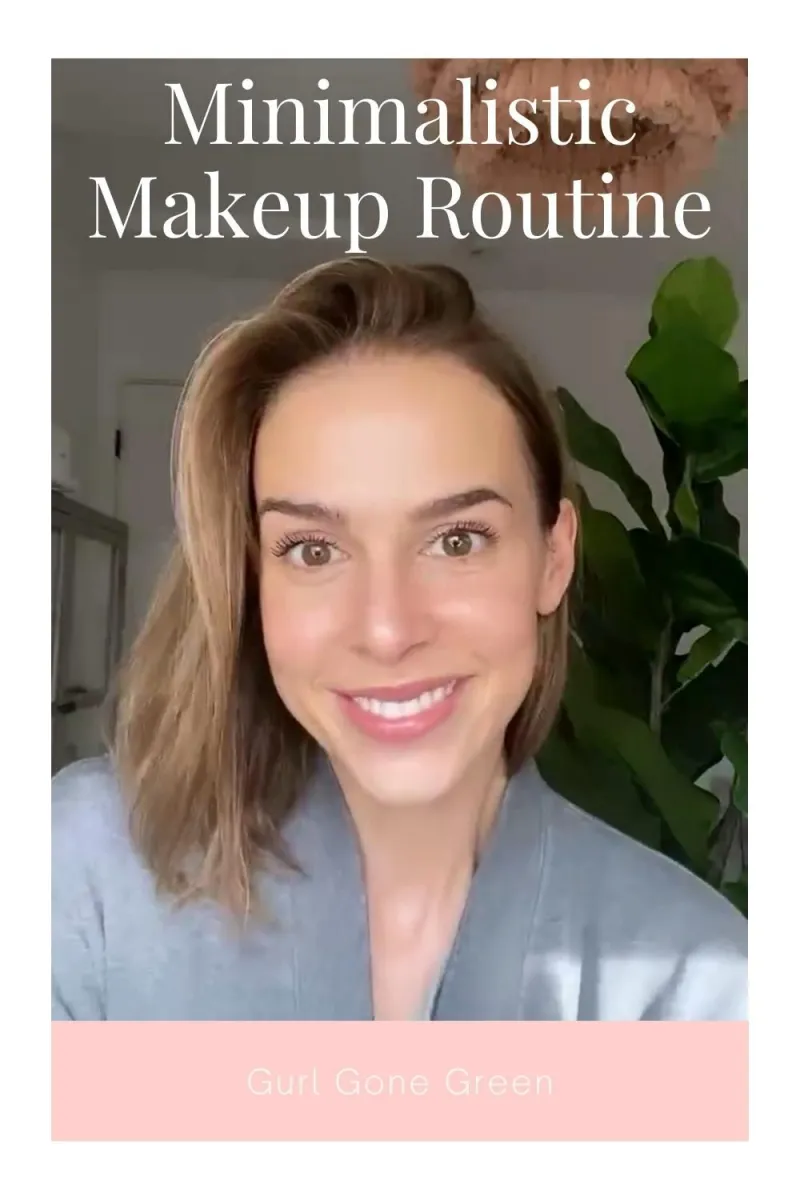
Photo: Brooklyn woman natural makeup minimal beauty skincare morning routine, via i.pinimg.com
There's a particular kind of woman you see everywhere in Brooklyn right now. She's at the farmers market in Prospect Park with a canvas tote, skin that looks like she just returned from a month in Tuscany, and hair that's somehow both messy and perfect. She's not wearing makeup — or at least, that's what she wants you to think.
She spent forty-five minutes on her face this morning.
Welcome to the Brooklyn Beauty Paradox: a world where looking like you tried nothing requires trying absolutely everything.
The 'Undone' Aesthetic Isn't Actually Undone
The no-makeup makeup look has been a cultural fixture for years now, but it's taken on a particular intensity in neighborhoods like Williamsburg, Park Slope, and Greenpoint — places where the influencer economy and a deeply held suspicion of anything that seems "too much" have collided into their own rigid aesthetic code. The rules are unspoken but ironclad: your skin should glow, your brows should be full but feathery, your lips should look like you just bit into a strawberry. Effortlessly.
"There's this cultural myth that the 'natural' look is somehow more feminist, more authentic, more real," says Dani Okafor, a Brooklyn-based makeup artist who splits her time between editorial shoots and teaching community beauty workshops in Bed-Stuy. "But I work with clients who spend more time and money achieving the 'no-makeup' look than they ever did wearing a full face of color. The labor is invisible, but it's absolutely still there."
That invisible labor adds up fast. Skin-prep routines involving serums, tinted moisturizers, color-correcting primers, and strategic concealer can easily run thirty to sixty minutes. Brow lamination appointments — a treatment designed to make brows look naturally full and brushed-up — cost anywhere from $80 to $150 and need to be refreshed every six to eight weeks. And don't even get started on the "glass skin" trend, which requires a skincare regimen so involved it could double as a part-time job.
When 'Less' Still Means 'Perfect'
Dermatologist Dr. Renata Souza, who practices in Carroll Gardens and frequently sees patients in their late twenties and thirties, has noticed a shift in the kinds of concerns people bring to her office.
"Ten years ago, patients were coming in asking for dramatic results — they wanted to look visibly different," she explains. "Now I get people who want to look like themselves, just... better. Pores minimized. Texture erased. Redness gone. They frame it as 'natural,' but the standard they're holding themselves to is just as unachievable as anything else."
This is where the paradox gets genuinely insidious. Traditional beauty standards — heavy contouring, bold lips, full-coverage foundation — are at least visible as performance. You can see the effort. The 'effortless' aesthetic, by contrast, disguises its own artifice. It presents itself as the absence of beauty standards while functioning as one of the most demanding beauty standards in recent memory. And because it masquerades as authenticity, it's much harder to push back against.
"At least when someone shows up in a full glam look, nobody's pretending it's natural," says Mireille Fontaine, a 31-year-old graphic designer who lives in Crown Heights. "With this whole 'I just threw on some tinted sunscreen' energy, there's this implication that if you don't look like that naturally, something is wrong with you. It took me a long time to figure out why I felt so bad about my skin even when I wasn't wearing makeup. And it's because the benchmark had shifted, not me."
The Algorithm Is Showing You a Filtered Version of 'Filterless'
Social media has a lot to answer for here. The rise of 'authentic' beauty content — creators posting their 'real' skin, their 'bare face' selfies, their 'honest' skincare routines — sounds like progress. But there's a complication: many of these posts are still filtered, still shot in flattering light, and still represent skin that has benefited from professional treatments, expensive products, and good genetics. The "authentic" label doesn't make the image any more representative.
Okafor points out that the no-filter aesthetic is itself a curated choice. "Going filterless on Instagram is still a decision about presentation. It's still content. The people who look amazing in their 'no-filter' posts usually have the resources — financial, genetic, time-wise — to look that way. That's not a criticism of them, but we should be honest about what we're actually seeing."
What Rejection Actually Looks Like
Some Brooklyn residents are opting out of the whole equation. Jasmine Tran, a 28-year-old nurse who lives in Sunset Park, says she made a deliberate decision to stop engaging with the effortless aesthetic about a year ago — and that it started with getting honest about her own motivations.
"I was spending so much time on 'minimal' makeup that I genuinely could have been doing something else," she says. "And I realized I wasn't doing it because I liked it. I was doing it because I felt like I needed to look a certain way to be taken seriously in certain spaces. That's not self-expression. That's performance."
For Tran, opting out didn't mean abandoning beauty products altogether — it meant wearing what she actually likes, which sometimes includes bold eyeliner and a red lip. "Ironically, being more 'done' makes me feel more like myself. The 'natural' look was always more about fitting in than about being authentic."
Dr. Souza echoes this sentiment from a clinical perspective. "I always tell my patients: the goal should be skin that feels healthy and comfortable to you, not skin that meets someone else's definition of natural. Those are very different targets."
Redefining What 'Real' Actually Means
The problem with the effortless aesthetic isn't effort itself — there's nothing wrong with a forty-five-minute skincare routine if it genuinely brings you joy. The problem is the pretense. The suggestion that looking this way should come naturally, that if you have the right products and the right lifestyle and the right genetics, it will all just fall into place.
It won't. And more importantly, it doesn't have to.
Real beauty — the kind True Beauty Brooklyn has always been interested in — is messy and specific and entirely personal. It might involve a full face of color or none at all. It might include texture and redness and pores that are visible in regular light. It might look completely different from the person next to you at the Grand Army Plaza farmers market.
The most radical thing you can do in a culture obsessed with effortless perfection might just be to let your effort show — or to stop performing effort altogether. Either way, it's your call. Not the algorithm's.