No Filter Needed: Meet the Brooklyn Beauty Founders Blowing Up the 'Perfect Skin' Myth
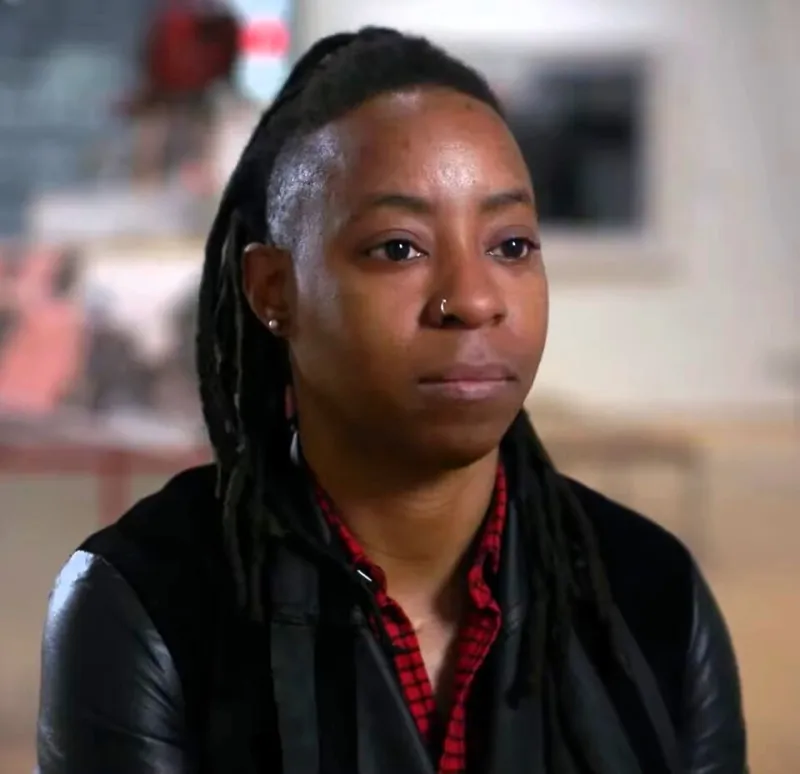
Photo: Brooklyn Museum, CC BY 3.0, via Wikimedia Commons
Scroll through any major beauty brand's Instagram right now and you'll see the same thing: poreless skin, symmetrical features, lighting so perfect it looks surgical. It's aspirational in theory, but for most of us — sitting on the G train with last night's mascara still doing its thing — it feels less like inspiration and more like a quiet insult.
That's exactly the gap that a handful of Brooklyn-based, woman-owned beauty founders decided to fill. Not by shouting about "natural beauty" while still digitally smoothing every pore, but by actually putting unretouched faces in their campaigns, formulating products for skin tones that the big guys still somehow manage to ignore, and building brands that talk to their customers like actual humans.
We went behind the scenes with three of these founders to find out how they're building something real — and what their products are actually like to use.
Pores, Texture, and All: The Case Against Retouching
When Simone Adeyemi launched her Brooklyn-based skincare line Bare Borough out of her Crown Heights apartment two years ago, her first campaign photo shoot had exactly zero retouching. Not "minimal retouching." Zero.
"My photographer actually asked me three times if I was sure," Simone laughs. "We're so conditioned to think that showing real skin is somehow unprofessional. But I wanted people to see what the products actually do on real faces — not on a CGI version of a face."
The results were striking, not because the models looked flawed, but because they looked familiar. There were visible pores. There was texture. One model had a visible patch of eczema on her cheek that the product was actively helping to calm. And the comments? Overwhelmingly, people said some version of the same thing: I finally feel like this brand is talking to me.
Simone's hero product, the Bare Borough Barrier Balm ($34), is a thick, fragrance-free moisturizer designed specifically for skin that's been "over-Sephora'd" — her words — meaning sensitized by too many active ingredients, too many steps, too much of everything the beauty industry keeps telling us we need. It's packed with ceramides, oat extract, and a small amount of niacinamide, and it does exactly what it promises: calms redness, restores moisture, and doesn't make combination skin look like an oil slick by noon.
Honest review? It's genuinely one of the better barrier creams I've tried, and I've tried a lot. The texture is rich without being greasy, and it layers well under SPF. The packaging is minimal and recyclable. The price point is fair. There's nothing to complain about here.
Forty Shades of Actually Matching Your Skin
Over in Bushwick, Tone & True Beauty founder Priya Mehta has a slightly different obsession: foundation that actually works for South Asian skin tones, which she describes as "the orphan demographic of the beauty industry."
"There are so many of us," she says, visibly exasperated in the best way. "And yet for years, the options were either too yellow, too pink, or that weird orange undertone that makes you look like you've been tangoed. I was mixing three different foundations just to get close to my actual color."
Priya launched Tone & True with a 42-shade foundation range that was built from the ground up using a community shade-matching process — she literally crowdsourced undertone data from over 800 volunteers before she formulated a single product. The result is a range that genuinely handles the complexity of deeper, warmer, and olive undertones in a way that most mass-market brands still fumble.
The Tone & True Skin Tint SPF 30 ($42) is the kind of product that makes you wonder why this wasn't always the standard. It's lightweight, breathable, and gives a natural finish that doesn't oxidize weirdly by 3pm. For deeper skin tones especially, the shade accuracy is exceptional.
But beyond the formula, what Priya is really selling is the message embedded in the brand: that your skin tone isn't a problem to be neutralized or corrected. It's the starting point.
Anti-Perfectionism as a Business Model
Perhaps the most radical thing happening in Brooklyn's indie beauty scene isn't a specific product — it's a shift in how these brands talk about beauty altogether.
Grit & Glow, founded by Red Hook native Danielle Torres, leans hard into what she calls "the beauty of being unfinished." Her line of tinted lip balms and cream blushes is designed for what she describes as the "I have five minutes and one mirror" demographic — and her marketing reflects that completely.
"We don't do 'before and afters.' We don't use the word 'flaws.' We don't talk about concealing or correcting anything," Danielle explains. "Our products are about adding a little something when you feel like it, not fixing something that was never broken."
Her Grit & Glow Flush Balm ($22) — a sheer, buildable cheek and lip tint that comes in six universally flattering shades — is genuinely brilliant in its simplicity. It's the kind of product you can apply without a mirror and still look like you tried. Which, honestly, is most of us most days.
What This All Actually Means
None of this is happening in a vacuum. These founders are building their brands against a backdrop of social media algorithms that still favor a very specific, very narrow version of beauty, and an industry that has historically treated diversity as a trend rather than a baseline.
What makes the Brooklyn indie beauty scene feel different isn't just the products — though the products are genuinely good. It's the intentionality. These are founders who are thinking carefully about the messages embedded in every campaign image, every product name, every shade they choose to include or exclude.
Real beauty, as these brands are defining it, isn't a look. It's a relationship with yourself that doesn't require a filter to make sense of.
And that, honestly, is the most Brooklyn thing we've heard in a while.