Less Makeup, More Money: The Sneaky Economics Behind the 'Barely There' Beauty Trend
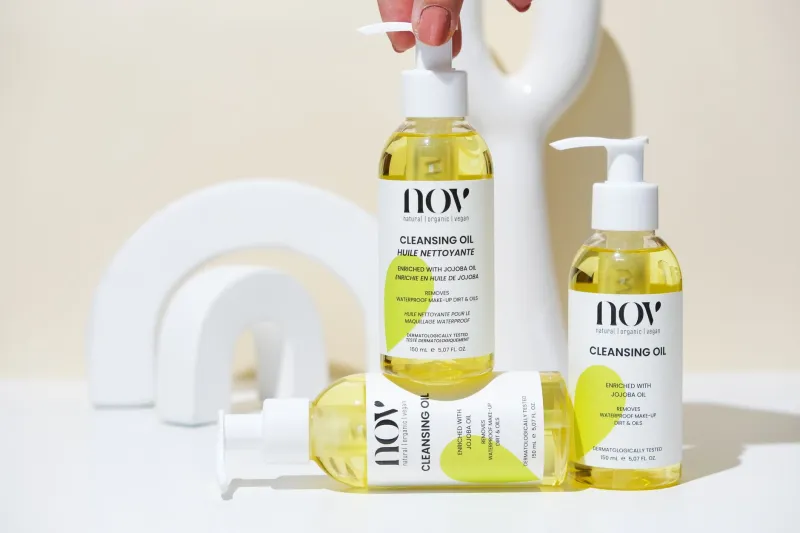
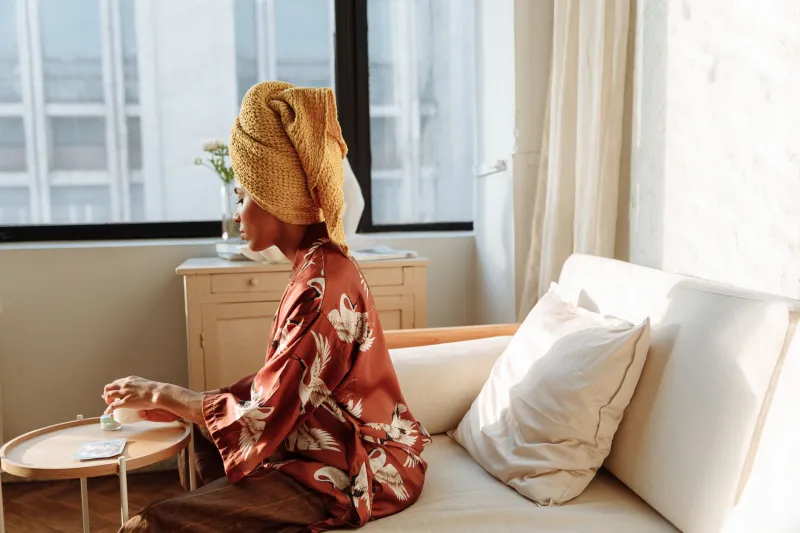
Let me paint you a picture. You're standing in the skincare aisle — or more likely, doom-scrolling at midnight — and some dewy-faced influencer is telling you that she's simplified her routine. She's done with the 47-step process. She's going back to basics. She looks effortless, radiant, like she just returned from a two-week retreat in Tuscany. And all she's using, she says, is this one $68 tinted moisturizer, this $54 brow gel, and this $42 lip balm that's technically a treatment.
You do the math later. That's $164 for a "barely wearing anything" look.
Welcome to the minimalist makeup con.
The 'Less Is More' Pitch Is Still a Pitch
Somewhere in the last five years, the beauty industry made a brilliant pivot. After decades of selling us 12-step routines, contouring kits, and highlight palettes the size of a small borough, they noticed a shift in consumer mood. People were tired. Burned out. Starting to question whether their bathroom counter needed to look like a Ulta stockroom.
So the industry didn't fight the trend. They rebranded it.
Minimalism became the new luxury. "Clean," "effortless," and "skin-first" became the magic words. And with those words came a very specific message: you don't need more products, you need better ones. Investment pieces. The cashmere sweater of blushes. The little black dress of serums.
It sounds reasonable, even responsible. Quality over quantity — that's just good sense, right? Except the "quality" products they're steering you toward routinely cost two to five times more than the ones you already owned. So you declutter your makeup bag, toss the drugstore staples, and replace them with a curated collection of prestige products that, collectively, cost significantly more than your old "excessive" stash ever did.
The Psychology Is Genuinely Brilliant (and Genuinely Manipulative)
Here's what makes this marketing so effective: it flatters you. It positions you as someone who has evolved past the noise. You're not a maximalist anymore — you're discerning. You understand that a $78 concealer is an investment, not an indulgence. You've done the research. You know better now.
Beauty brands and the influencers they pay (sometimes in cash, sometimes in product, often in both) have become experts at speaking to a very specific anxiety that urban millennials know well: the fear of being duped. We've grown up suspicious of fast fashion, greenwashing, and Big Food. We read ingredient labels. We watch documentary series about supply chains.
So when a brand tells us their $90 foundation is "clean," "sustainable," and "multi-use," they're not just selling us makeup. They're selling us a self-concept. And that self-concept? It's expensive to maintain.
The 'No-Makeup Makeup' Look Has a Receipts Problem
Let's get specific, because vague outrage only goes so far.
The classic "no-makeup makeup" look — the one that's supposed to be your effortless Tuesday face — typically involves a skin-prep routine, a tinted moisturizer or light foundation, concealer, a cream blush, a brow product, a mascara, and a lip product. Maybe a setting spray if you're catching the subway in July.
At the drugstore, you could build that kit for $60–$80. Solid products. Ones that work.
But if you've bought into the minimalist luxury narrative, you're probably looking at something closer to this:
- Skin-prep serum that doubles as a primer: $58
- Tinted moisturizer with SPF from a buzzy indie brand: $48
- "Skin-finish" concealer: $36
- Cream blush stick (because it's "multi-use," which justifies the price): $34
- Brow gel from that brand everyone on TikTok suddenly loves: $24
- Tubing mascara that's supposedly better for your lashes: $28
- Tinted lip balm that's also a treatment: $22
That's $250. For a look that is, by design, supposed to appear like you're not wearing makeup at all.
The irony is almost too on the nose.
'Multi-Use' Is the Industry's Favorite Magic Trick
One of the biggest drivers of the minimalist beauty price hike is the "multi-use" product boom. Cream blushes that work on your lips and eyes. Balms that moisturize, protect, and add a wash of color. Bronzers that are also highlighters that are also, apparently, setting powders if you apply them a certain way.
Multi-use sounds economical. One product doing three jobs means you need fewer products, right? Except brands use the multi-use angle to justify higher price points — and consumers accept it because the math feels like it checks out. You're not buying a $45 blush; you're buying a $45 blush-lip-eyeshadow. Deal!
Except you probably still own a separate lip product. And a separate eyeshadow. Because in practice, multi-use products are rarely anyone's actual only option for those applications.
What Brooklyn's Actually Teaching Us About Realness
Here in Brooklyn, we have a complicated relationship with the concept of "authentic" anything. We've watched neighborhoods gentrify in the name of authenticity. We've seen dive bars charge $18 for a "no-frills" cocktail. We know the performance of simplicity when we see it.
And the minimalist beauty movement? It's performing simplicity while charging premium prices for the costume.
True beauty minimalism — the kind that actually costs less — looks like understanding your skin well enough to skip what it doesn't need. It looks like a $12 drugstore moisturizer that genuinely works for your skin type. It looks like one mascara you love, bought at CVS, that you've been repurchasing for three years because it does exactly what you need.
It doesn't require a haul from a brand whose aesthetic is reclaimed wood and sans-serif fonts.
How to Actually Simplify (Without Spending More)
If you genuinely want a simpler routine, here's what that actually looks like:
Audit before you buy. Go through what you already own before you let anyone convince you to start fresh. A "fresh start" in beauty almost always means a fresh purchase.
Ignore the 'investment piece' framing. A foundation is not an investment. It has a shelf life. It doesn't appreciate in value. It's a consumable product, and drugstore versions are frequently just as effective as their prestige counterparts.
Be skeptical of the 'clean' premium. Clean beauty is a largely unregulated term in the US. A product charging triple the price because it's "clean" isn't necessarily safer or more effective — it might just have better branding.
Define minimalism on your own terms. If five products make you feel good and confident, that's your minimalism. It doesn't have to look like anyone else's curated flat-lay.
The beauty industry will always find a new angle to keep you spending. Maximalism, minimalism — the throughline is the transaction. The only real radical act is deciding what you actually need and refusing to let a trend tell you otherwise.
And if your "natural look" costs $200? That's your business. Just go in knowing exactly who sold you that idea — and what they got out of it.